














A Guide to Playing with Your Cat: The Dos and Don’ts!


Play is super important for our kitties. It’s vital for their physical health, mental stimulation and, most importantly, gives us quality bonding time with them. Setting time aside in their day for play is essential for a happy, healthy cat of any age. Play mimics hunting behaviors that satisfy their natural instincts, releasing endorphins that make your cat feel good.
Even if your cat doesn’t need to hunt to feed themselves anymore, it’s beneficial to know how to play with your cat in a way that satisfies their natural instincts to stalk, pounce and catch. In this guide, we’ll explore the do’s and don’ts of play, along with tips and fun play ideas for cats.
Why Does Playing With a Cat Matter?
Playing with your cat is amazing for strengthening your bond and promoting both their physical and mental well-being. Some of the main benefits of play include:
-
Preventing boredom – Play provides essential exercise, satisfying their natural instincts and offering mental stimulation. Using interactive toys like wand toys can help cats burn any excess energy and reduce boredom.
-
Encourages exercise – This is especially important for indoor cats that have fewer opportunities for physical activity. Outdoor cats often naturally find things to chase, catch and climb when they explore their environment.
-
Builds trust – Playing creates quality time that helps strengthen the human-cat relationship, and it makes for a fun activity you can add to your cat’s daily routine.

Ways to Play With Your Cat
When learning how to play with your kitten or cat, it’s helpful to try different types of play to see what your kitty likes and engages with the most. Some cats prefer certain kinds of play, while others may not. There are many different types of play you can try with your cat, such as:
-
Interactive play – Using toys that encourage interaction, like wand toys and feather teasers moved by humans, can be a fun and exciting way for you and your cat to bond!
-
Solo play – Puzzle feeders, balls, catnip mice toys and climbing towers are all great options for keeping your cat mentally stimulated when you’re not around or if they prefer playing solo.
-
Social play – If your cat is bonded with other cats in the household, items like puzzle feeders and cat tunnels give them a space to play together.
-
DIY play – Playtime for your cat doesn’t always have to involve lots of new toys. You can get creative with your environment by making DIY toys out of items such as boxes to create tunnels and climbing structures.
Do’s When Playing With a Cat
Do: Use Toys That Mimic Prey Movement
Cats’ eyes are designed to detect movement, so use the motion created by you or the toy to emulate small prey animals. Mimic natural prey movements with bursts of action followed by periods of being still to engage their hunting instincts.
Do: Rotate Toys to Keep Interest Fresh
Cats might try to catch prey for a short time, then either catch it or give up, so rotating toys regularly can keep play exciting and engaging.
Do: Engage Your Cat’s Senses
Toys can have different scents, noises and textures that can captivate your cat. Using toys with catnip, squeakers or varying textures helps maintain their interest. Just make sure the sounds aren’t too loud or startling!
Do: Let Your Cat ‘Catch’ the Toy
When playing with toys like wands with something on the end (like a feather), end the session on a treat or toy your cat can ‘catch’. If they are unable to catch the item they’ve been playing with, this can easily create frustration for your cat, so ending the session with the desired result for your cat helps to keep the play session positive.
Do: End Play Sessions with a Treat
What kitty doesn’t love a tasty treat? Giving your cat a treat is not only satisfying, but it also signals the end of the game. Happy Snack by FELIWAY® is a great treat for keeping your cat happy even after playtime ends.
Do: Shorter, More Frequent Sessions
Multiple shorter play sessions are more effective than one long session. Consider when your cat is looking for playtime naturally, usually in the morning or early evening, and plan accordingly.
Do: Incorporate Toys into Mealtimes
Using puzzle feeders, activity feeders and lickimats during meals adds mental stimulation and taps into your cat’s instinct to work for their food, making mealtimes more engaging.

Don’ts When Playing With a Cat
Don’t: Use Hands or Feet as Toys
Using hands or feet as toys can encourage biting and accidental injuries. It’s best to keep all limbs to yourself, avoiding the temptation for your cat! Happy Snack by FELIWAY® is a much tastier option than your hands or feet, trust us on that one…
Don’t: Move Toys Towards Your Cat to Get Their Attention
Moving toys towards your cat, especially their face, is something that prey would never do! It can also frustrate them if they’re not in the mood to play. Which leads us on to our next point.
Don’t: Force Play When Your Cat Isn’t Interested
Respect their decision to not take part if they don’t wish to. However, if this is a change from their normal behavior, then contact your vet, as it could be a sign they are unwell. If they never want to play this game or with this toy, maybe you need to rethink what you are playing with or learn how to play with your cat without toys.
Don’t: Overstimulate Them
Watch for signs of over arousal, such as a ‘thrashing’ tail or flattened ears or ‘rougher’ play than usual, and if so it’s time to stop the game and move onto something less stimulating.
Don’t: Punish Your Cat During Play
If something happens and they behave in an inappropriate way, calmly stop playing. Punishing does not help your cat and can affect your bond.
Don’t: Play With Toys That Have Small Parts
Toys with string or feather elements shouldn’t be left lying around, as their small parts are easily swallowed.
How to Play with Different Types of Cats
-
Shy cats – For more reserved cats, start with quiet toys and gentle movements. Keep sessions short and positive, using a soothing voice to put them at ease. It’s important to let the cat approach you and use the toy on their own terms.
-
Energetic cats – With high-energy cats use fast-moving toys and include more action. This can be setting up homemade activity courses where they’re jumping up a cat tree or over obstacles.
-
Senior cats – When playing with senior cats, it’s important to choose softer toys and slower play styles. Consider the movement required to play the game in mind and whether your older cat can do it.

More Cat Play Ideas to Consider
-
Schedule regular play sessions – Consistency builds routine, and play should be an everyday part of your cat’s routine.
-
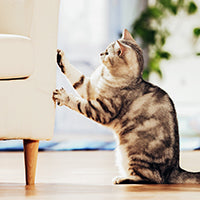
Use play to redirect unwanted behaviors – For example, if your cat is scratching furniture. Use play rather than shouting or punishing your cat.
-
Keep an eye on the toys – When your cat’s toys are showing signs of wear, it’s time to replace them, as you don’t want your cat to swallow any loose ends. This is also a great opportunity to try something new when playing with your cat.
-
Playing with multiple cats – If you have more than one cat, have individual play sessions with each of them, as they may have different preferences and activity levels. Having separate playtimes also helps to avoid frustration and allows you to build a deeper bond with each cat individually.
-
Change in play style – If you notice a change in your cat’s play style, such as showing signs of play aggression or being less interested in play than usual, contact your vet as there may be underlying medical issues. If these changes are due to stress, try FELIWAY® Optimum, which is proven to reduce signs of feline stress, creating a serene environment for your play sessions.
For more tips on how to play with a kitten or cat, continue exploring our FELIWAY® blog online. And don’t forget to sign up to our newsletter to stay in the loop with everything we’re up to!