













Why Does My Cat Pee Everywhere? A Kitty's Point of View


Miaow! Being a cat is a full‑time job, you know. I work very hard to keep myself looking beautiful, grooming my fur until it’s silky smooth and keeping my whiskers pristine. Us kitties adore cleanliness, but we also thrive on consistency. Familiar routines and surroundings help us feel safe, settled, and in control.
So, if you notice that your cat has started urinating outside of their litter tray or spraying in the house, this may be a sign that they’re trying to tell you something about how they’re feeling. They may be feeling unwell, confused or stressed by a change in their routine.
As your resident, mature feline, I’m using my life experience to help answer some human questions about why a cat might be peeing everywhere, the signs of cat stress to look out for, and how you can help us feel calm, confident, and wonderfully secure again.
Is Your Cat Urinating or Spraying?
Is your cat peeing or spraying? There is a difference in our kitty behavior! Let me break it down for you. Have a think about these questions…
Where Is the Spray or Pee?
If your cat is peeing, it’s probably on horizontal areas such as a litter tray or floor, whereas spraying usually appears on vertical surfaces such as walls or furniture.
If you think your cat is spraying in the house, look out for markings on vertical surfaces, as this is how we mark our territory! You can spot a spraying cat as, instead of squatting, we’ll stand upright with our tail raised (sometimes quivering). We then spray a small amount of urine onto that surface to leave a scent mark.
What Has Triggered The Urine Spraying?
Spraying can happen when we feel threatened or stressed, perhaps by changes around the home, a new addition to the family, or another cat arriving on the scene. Marking our territory by spraying helps us feel more secure.
It’s important for you pet parents to be able to recognize when us cats are feeling stressed and understand what we might be trying to tell you. Get to know your kitty and understand their body language, so that you can act quickly to avoid or remove any potential stressors.
Reasons Why Your Cat is Urinating in the House
If you notice your cat urinating in the house outside of their litter tray, it doesn’t mean we’re being naughty or trying to upset our humans. It’s often because something is making us feel uncomfortable, stressed or unable to use our usual toileting area.
Sometimes, there isn’t just one explanation for why your cat is peeing everywhere. That’s why it’s important for you humans to understand what could be causing our behavior.
Common reasons your cat might be urinating in the house can include:
-
Pain or discomfort – conditions that cause pain, such as joint disease or age-related changes, can make it difficult for us cats to use our litter tray. Illnesses such as urinary tract issues may mean we need to use the litter tray more often, making it harder for you to always keep clean litter available.
-
Stress or feeling anxious – Stressors such as changes in our daily routine, unfamiliar visitors or conflict with other pets can affect our toileting habits.
-
Litter tray dissatisfaction – we cats can be very particular about our litter trays. Factors such as the size, location, cleanliness or type of litter can all influence whether we choose to use it.
The Puurfect Litter Tray Set Up
If a cat starts peeing everywhere, sometimes the issue may simply be related to the litter tray itself. As I said, we can be very particular about toileting so you should consider whether your kitty’s litter tray is meeting their needs.
Is the Litter Tray the Right Size?
If we’re peeing in the wrong place, it could be that there is something we don’t like about our litter tray! A tray needs to be at least 50% larger than your cat to give us enough space to move around and dig a little if we want to.
If the litter tray is too small, we may avoid using it all together, which is why some cats urinate in the house.
Have You Moved the Litter Tray to a New Location?
As cats, we value consistency. We can’t be expected to use our litter trays if they’ve been moved into a noisy utility room next to the washing machine. The spin cycle on that thing always makes me jump! I wouldn’t want to be mid-toileting when this happens.
Have You Changed the Litter?
Not only do we like our litter tray to be discrete and in the same place each time. We can also be very particular about the type of litter we use. Some cats like clay litter, while others prefer pellets or finer textures. Many of us like a clumping, unscented litter because it feels most natural and comfortable.
Are There Enough Litter Trays?
Sorry to break it to you, but we cats don’t like sharing! If you have more than one cat, the general rule is one litter tray per cat, plus one extra. The same applies for other resources like food bowls and scratching posts. This means that there’s no sibling rivalry!

If all of these conditions have been met, you should get your kitty checked over by a vet to rule out any medical issues. I don’t throw around that recommendation lightly so consider that a key step to making sure your cat is happy and healthy!
Saying that though, I’ve taken some medications before that made me very thirsty which naturally increased by trips to the litter tray. I’ll admit sometimes I didn’t make it on time so keep that in mind if your kitty is feeling unwell.
Can Stress in Cats Cause Urinary Problems?
Yes, stress can affect problems with urinating and changes in toileting behavior, causing cats to pee or spray in the house. When we feel worried, anxious or unsettled, we may be more likely to urinate outside the litter tray or start spraying to help ourselves feel more secure.
If you’ve noticed your cat is experiencing urinary problems, consider whether any of these common causes of stress may have occurred:
-
Changes in routine
-
Moving home
-
New people or pets in the household
-
Conflict with other cats
-
Loud noises or unfamiliar visitors
-
Changes to our environment or resources
Can Changes At Home Cause Cats To Pee Or Spray?
We cats find change tricky! When things around us change, it can sometimes make us feel unsettled or stressed.
Changes that may affect how we feel include:
-
Moving furniture around
-
New visitors coming into the home
-
A new pet or family member joining the household
-
Moving house or changes to our usual routine
When our environment feels different, it can sometimes lead to changes in our behavior, including urinating outside the litter tray or spraying around the home to mark our territory and help us feel more secure.
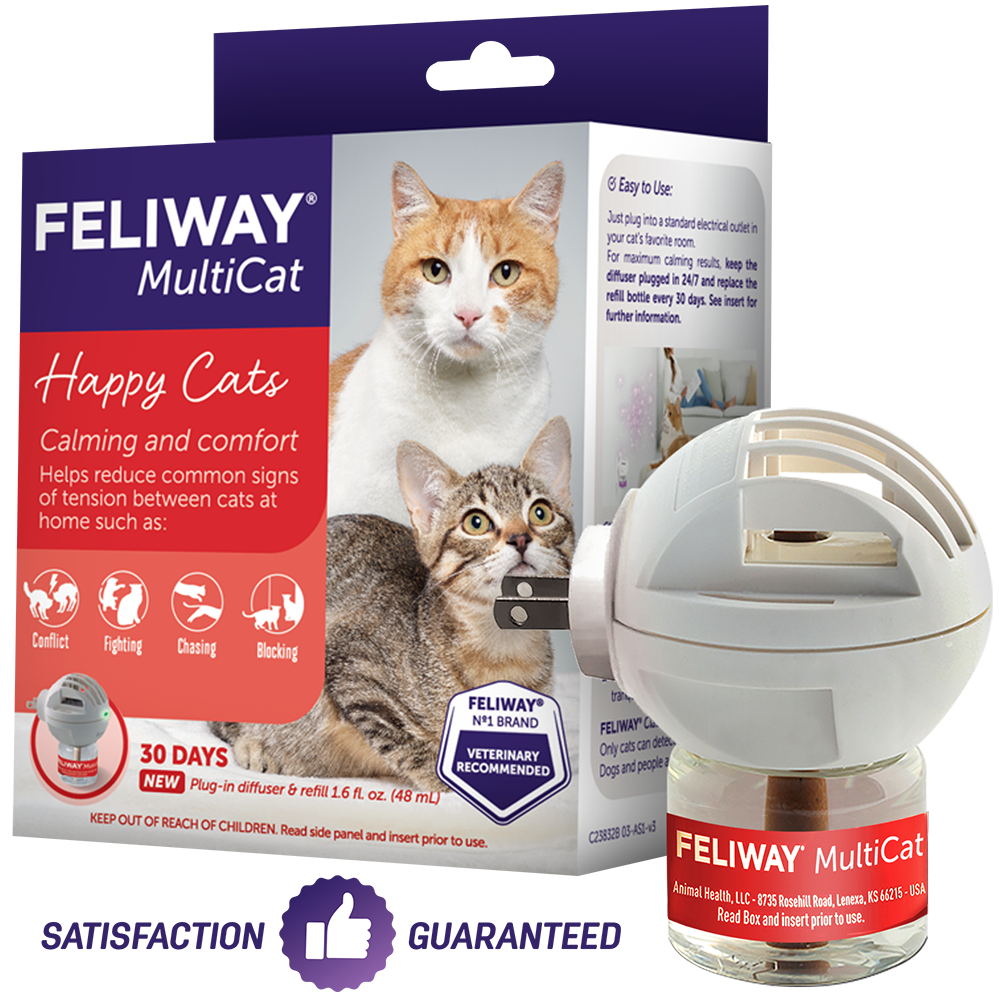
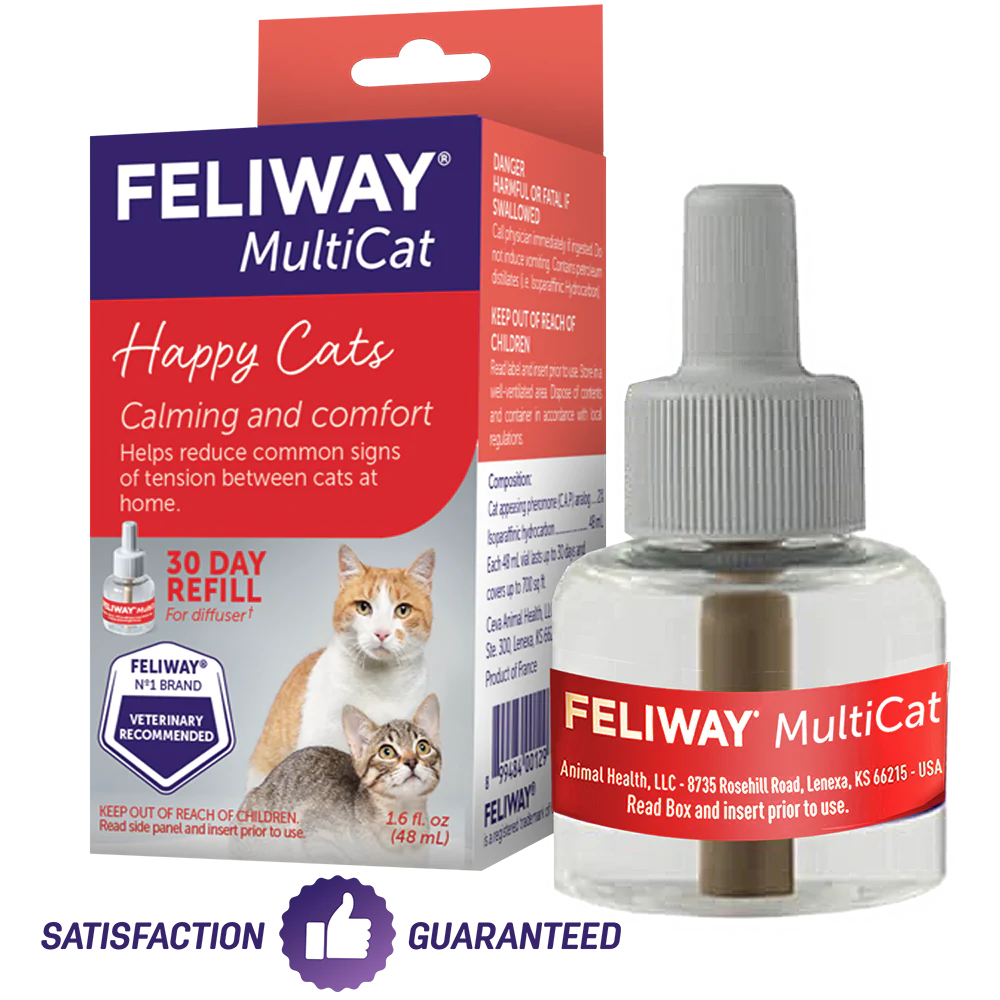
FELIWAY® Optimum has been developed specifically with cats in mind and, when used regularly, helps provide enhanced serenity and comfort to reduce the common signs of stress, including urine spraying in the house.
What Are Physical Signs of Stress in a Cat?
Just like humans, we cats can show stress in different ways. Some signs can be subtle, while others may be more noticeable. As an experienced, mature cat myself, there have been times I’ve tried to tell my humans how I’ve felt and they haven’t picked up on my cues.
My advice here is to learn the physical signs of stress in a cat so you can help your kitty as soon as possible.
-
Urinating or spraying outside the litter tray – As I’ve already mentioned, we might spray or urinate outside of our litter tray if something is making us feel stressed, uncomfortable or unsettled.
-
Hiding or withdrawing – We might spend more time alone, avoid interaction or hide in quiet areas when we’re feeling stressed.
-
Changes in grooming behavior – We may groom ourselves more than usual to self soothe.
-
Changes in appetite or routine – You may notice that we eat less, eat differently or don’t follow normal daily patterns.
-
Body language changes – We might try to show you that we’re feeling stressed through our body language. Look out for flattened ears, a tucked tail, dilated pupils or restlessness.

How Can I Stop My Cat Urinating in the House?
If you have taken my advice, had your cat checked by a vet and they are medically healthy, here are some things I’ve watched my humans do over the years to help:
-
Clean any marked areas thoroughly – I’ve watched my humans blot up excess wet areas then use something called a biological or enzymatic washing liquid or powder (yes, I know some fancy human words) to clean away the urine and remove odors. Once dry, using FELIWAY® Classic spray on the urinated areas helps us feel secure.
To be safe, my humans also leave FELIWAY® Optimum plugged in where I spend most of my time to keep me reassured. -
Block access to affected areas – They’ve blocked me from accessing certain areas in the house I’ve been caught urinating in before to avoid repeated spraying or urination. While I do like to roam free around the house, I understand why this may be needed!
-
Litter tray maintenance – Remember my rules for litter tray set up and maintenance! Make sure it is the right size first of all. Then, keep it clean and in a quiet, accessible place with the right substrate, and enough litter to allow us to dig comfortably. Cats can be very particular about the type of litter we use, so you may need to try different substrates to find one that works best for your kitty.
If you have more than one cat, remember the most important rule – one litter tray per cat, plus one extra, placed in different locations around the home. Easy peasy!
-
Support older cats – I always respect my elders. If you have an elderly cat, make sure they can get in and out of the tray easily, such as by having a litter tray with lower sides.
-
Avoid strong-smelling cleaning products – We cats have a very sensitive sense of smell, so harsh chemical cleaning products may cause your cat to urinate in the house instead of the tray.
-
Introduce changes gradually – If there have been changes in your routine, such as your work life, and you are leaving the house at different times, adjust this slowly to help your cat feel secure and reduce unpredictability.
-
Never punish your cat – Don’t punish us for urinating outside the litter tray. Punishment can increase our stress and make the problem worse.
Want to understand your cat better? For more information about understanding cat behavior and body language, explore our articles online. To receive the latest tips and expert guidance straight into your inbox, sign up to our newsletter and we’ll keep you up to date with all the latest FELIWAY® advice.